Drawing Tutorials Side Menu for Easier Navigation
Draw Online with Our Free Drawing Application Tool
Drawing People
Manga and Anime
Drawing Animals
Drawing Objects, Shapes, and Things
Perspective Drawing Lessons
Principlse and Elements of Art
Mediums to Draw With
Drawing Landscapes and Nature
Techniques of Drawing
Drawing Lights and Shadows
Drawing for the Holidays
Adventure Time
Avatar The Last Airbender
Angry Birds
back at the barnyard
Draw Ben 10
How to Draw Bratz Dolls
Captain Underpants
Disney Pixar Cars
Club Penguin
Chowder
Clifford The Big Red Dog
Courage the Cowardly Dog
Baby Cupid
Cut the Rope Om Nom
Danny Phantom
Dexters Laboratory
Doodle Jump
Fairly Odd Parents Characters
Family Guy Characters
Disney Fish Hooks
Fruit Ninja
Flapjack Characters
Garfield Characters
Grim Adventures of Billy and Mandy
Adventures of Gumball
Drawing Halo Characters
Hello Kitty
Invader Zim Characters
Iron Man
Jimmy Neutron
Johnny Bravo
Johnny Test
Kim Possible
Kirby
Kung Fu Panda
Lilo and Stitch
Lego Minifigures
Looney Tunes Characters
Mario Luigi and Super Mario Bros Characters
Mighty B! and Bessie Characters
Mr. Men Characters
Max and Ruby
My Gym Partners a Monkey
Naruto
Phineas and Ferb Drawing Tutorials
Plants Vs Zombies
Pokemon Characters
Powerpuff Girls
The Regular Show
Robo Boy
Draw Rugrats
Samurai Jack
Santa Clause
Scooby Doo Characters
Scribblenauts
Skunk Fu
Sonic Hedgehog
Spiderman
Spongebob Squarepants Characters
Squirrel Boy
Super Man Drawing Lessons
Teen Titans
Drawing The Simpsons
The Smurfs
Star Wars The Clone Wars
Tom & Jerry
Wow Wow Wubbzy
Dora the Explorer
Draw Ed, Edd, and Eddy
Fosters Home for Imaginary Friends
How to Train Your Dragon
Peanuts and Charlie Brown
Penguins of Madagascar
South Park Characters
Drawing The Flinstones
Toy Story Characters
Winnie the Pooh
Marvel XMen Characters
Drawing Transformers
Legend of Zelda
Bleach (Anime / Manga Show)
Death Note (Anime / Manga)
Digimon
Dragonball Z
Fruit Basket (Anime / Manga)
Unuyasha
Kingdom Hearts
Ragnarok (Manga & Anime)
Strawberry Panic
Sailor Moon (Anime & Manga)
Tench Muyo (Manga & Anime)
Urusei Yatsura (Anime & Manga)
Yu-Gi-Oh (Anime & Manga)
Drawing Proportional Human Figures
Drawing Human Faces & Heads
How to Draw Babies & Toddlers
Drawing Kids and Children
Drawing Crowds and Groups of People
Drawing Hands
Drawing Human Backs
Upper Torsoes & Chests
Draw Legs & Feet
Drawing Necks & Throats
Figures in Motion and Movement
Drawing Figures in Nature & Landscapes
Draw Eyes
Drawing Noses
Draw Mouths, Lips, and Teeth
Draw Hair
Draw Ears
Drawing Facial Expressions
Drawing People Kissing
Hugging and Hugs
How to Capture a Persons Likeness
Drawing Portraits with Portraiture
Drawing Old Peoples Wrinkles from Age
Drawing Clothing & Wrinkles
Drapery and Folds
Choosing Subject Matter or Your Art
Rule of Thirds and Divine Proportions
How to Improve Art Compositions
Elements of Lines in Art Compositions
Elements of Movement Used in Good Art Compositions
Elements of Shape
Elements of Space in Art
Principle of Balance in Art Composition
Principle of Contrast in Composition
Principles of Emphasis in Art Composition
Unity and Harmony in Art Composition
Rhythm and Patterns in Art Composition
Negative Space
Focal Points and Centers of Interest in Art
Elements of Proportions in Good Art Composition
Textures in Art Compositions
Tones & Values in Art Composition
Elements of Variety
Drawing with Colored Pencils
Drawing with Conte Crayons
Drawing with Charcoal Medium
Drawing with Markers
Drawing with Pastels
Drawing with Pencils
Drawing with Pen and Ink
Drawing Exercises
Burnishing Paper
Hatching & Crosshatching
Scumbling
Shading and Blending
Stippling
Lessons for Begginers
Blocking-In Method of Drawing
Common Mistakes and Troubleshooting
Photo-Realistic Drawings
Drawing Confident Lines
Observational Drawing & Drawing What You See
Figure Drawing
Freehand Drawing Skills
How to Hold Your Pencil Correctly
Drawing Scenery, Backgrounds, & Interiors
Estimating & Measuring Proportions & Sizes & Angles
Drawing from Memory
Nature Landscape Drawing
Perspective Drawing Lessons
Preparing to Paint with Sketching Out Ideas
Drawing with the Right Sight Size Method
Drawing Still Life
Observational Drawing & Drawing What You See
Figure Drawing
Adding Tones and Values to Your Drawings
Drawing Lights and Shadows
Hatching & Crosshatching
Drawing Reflected Light
Shading and Blending
Stippling
Art Projectors
Camera Lucida
Camera Obscrua
Drawing with Grids
Tracing Images with Light Boxes
Transferring and Copying Drawings
Halloween Drawing Lessons
Christmas & Winter Drawing Lessons
Drawing Valentines Day Tutorials
Drawing Figures in Nature & Landscapes
Nature Landscape Drawing
Perspective Drawing Lessons
Drawing Still Life
Drawing Flowers & Plants
Drawing Landscapes and Nature
Drawing Sky and Clouds
Drawing Trees & Leaves & Branches
Drawing Outdoors & Travel Sketching
Crocodiles & Alligators
Drawing Bears
Drawing Birds
Drawing Dogs
Drawing Bunny Rabbits
Drawing Camels
Drawing Chickens and Roosters
Drawing Cows
Drawing Deer, Buck, Does
Drawing Dragons
Drawing Ducks
Drawing Frogs
Drawing Giraffes
Drawing Goats
Drawing Hippos
Draw Kangaroos
 Koala Bears
Drawing Sheep adn Lambs
Drawing Lions
Drawing the Octopus
Drawing Opossums
Drawing Owls
Drawing Parrots
Drawing Peacocks
Drawing Penguins
Drawing Pigs
Drawing Reindeer
Drawing Rhinos
Drawing Seahorses
Drawing Squirrels
Drawing Snails
Drawing Swans
Drawing Whales
Drawing the Walrus
Drawing Still Life
Perspective Drawing Lessons
Drawing Geometric Shapes
Drapery and Folds
Drawing Fire Flames
Drawing Hearts
Drawing Stars
Drawing Perfect Circles
Drawing Cubes
Drawing Cones
Drawing Cylinders & Tubes
Drawing Ovals & Ellipses
Drawing Geometrical Planes
Drawing Prisms
Drawing Pyramids
Drawing Spheres & Balls
Drawing Bells
Drawing Gifts & Presents
How to Add Color to Manga & Anime Drawings
Basic Anime & Manga Drawing Tips
Drawing Chibis
Drawing Anime Bodies
Anime Women and Girls
Drawing Boys and Men in Manga and Anime Style
Drawing Hair for Manga & Anime Characters
Drawing Anime & Manga Mouths
Creating Anime and Manga Characters
Drawing Anime & Manga Kids
Drawing Anime & Manga Clothing
Drawing Manga and Anime Hands
Drawing Anime / Manga Ears
Drawing Manga & Anime Eyes
Drawing Faces & Heads in Manga Style
Drawing Facial Expressions in Manga and Anime Styled Illustration
Drawing Manga Stories and Pages
Drawing Anime Manga characters in their Poses
Shading Anime and Manga Drawings
Perspective Drawing Lessons
One Point Perspective Drawing Lessons
Two Point Perspective Drawing Lessons
Three Point Perspective Drawing Lessons
Multiple Points Perspective / Curvilinear Perspective
Foreshortening
Aerial and Linear Perspective
More Drawing Lessons

  •   New Drawing Lessons


      How to Draw Perry the Platypus Agent P from Phineas and Ferb How to Draw Pikachu from Pokemon
    Spacer How to Draw Spongebob Squarepants How to Draw Gary the Snail from Spongebob Squarepants


    Home > Directory of Drawing Lessons >How to Draw People Human Figure Proportions

    DRAWING HUMAN FIGURES IN CORRECT PROPORTIONS : How to Draw People in the Correct Ratios & Proportions

    How to Draw Perfect Hearts for Valentines Day How to Draw Cupid
    How to Draw Pepe Le Pew How to Draw Tom and Jerry

    | More

    transparent gif for spacing

    Figure Drawing : How to Draw Cartoon Figures & Bodies Proportions from Front View

    Figure Drawing : How to Draw Cartoon Figures & Bodies Proportions from Front View

    Do you want to learn how to draw the comic cartoon body? You will find it helpful to have methods and techniques to follow when drawing the human figure, so we have put together this tutorial to give you some routines to follow. With the application of a few simple rules, you will be able to create amazing cartoons and comics in no time flat. Today, I will be showing you a technique to draw a proportional cartoon figure from the front view.

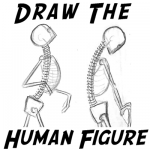
    How to Draw the Human Figure : Drawing Body, Head, Facial Features and Proportions

    How to Draw the Human Figure : Drawing Body, Head, Facial Features

    A study of the human body and figure with the following drawing lessons of the human body, head, face, facial features and body proportions of children, women, and adults.

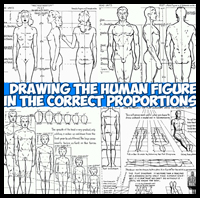
    Drawing the Human Body in Correct Proportions

    Drawing the Human Body in Correct Proportions

    It should be in "good proportion," which means it should be near the natural size as compared with other parts of the body. The ability to draw the figure in proper proportion requires considerable practice, close observation and accurate eye-measurement.

    Drawing the Human Figure by Memorizing Proportions

    Drawing the Human Figure by Memorizing Proportions

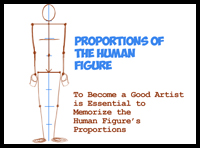
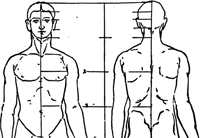
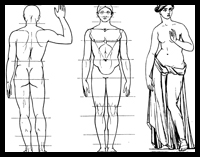
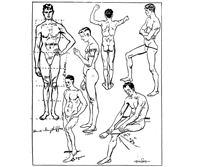
    To memorize the ideal measurements and proportions of the male and female human figure should be the student's earnest endeavor, and, with this end in view, the essentials of the various tables that have been constructed for this purpose are presented here. The ideal male figure is eight heads high, which means eight skulls—the dimensions being based on the length of the skull without its covering of hair.

    Drawing the Human Figure in Correct Proportions

    Drawing the Human Figure in Correct Proportions

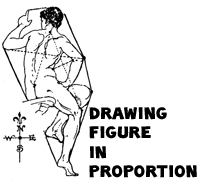
    Learn how to draw the human figure with the following being covered - Drawing the figure withlines, in planes, contour, with thick lines, drawing the rounded forms, color, hints on drawing models, and finally drawing the figure in correct proportions.

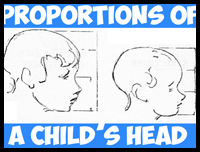
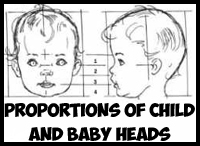
    Drawing Children in the Correct Proportions

    Drawing Children in the Correct Proportions

    Learn how to draw kids in the right proportions and measurements.

    How to Draw the Human Figure Model

    How to Draw the Human Figure Model

    Learn how to draw people in the right proportions with the following drawing lessons and tutorials

    Drawing the Human Figure : Measurements and Proportions

    Drawing the Human Figure : Measurements and Proportions

    Before the artist is ready to engage in practical newspaper art, he should be able to draw the human figure, and this means that he must have acquired some knowledge of anatomy. The best aid to this knowledge is sketching the nude figure from life.

    Body Proportions in Art

    Body Proportions in Art

    Artists have known for centuries that the average human adult body is made from parts that are in proportion to each other in predictable ways. If you draw your figures according to these ratios, your finished work will look more natural.

    Drawing the Human Form in Correct Proportions

    Drawing the Human Form in Correct Proportions

    Understanding the structure of the human body and its extents and limits is the key in creating forms that are lifelike and realistic in a relative sense – you could be doing life drawings and attempt to be infinitely realistic, or you may be making simplistic cartoons or caricatures which should have some semblance of being anatomically correct.

    Drawing the Figure Tutorial Guide

    Drawing the Figure Tutorial Guide

    This is undoubtedly one of the hardest things to master, and can take several years to truly learn. The human figure is a very complicated and dynamic thing, and duplicating its appearance takes the know-how and a few tricks of the trade.

    Drawing People Part 1: Proportion : Vector Tutorials

    Drawing People Part 1: Proportion : Vector Tutorials

    This first tutorial will cover the basics of proportion, anatomy, and other things to keep in mind when drawing people. The second tutorial will apply these principles to a vector illustration.

    Drawing the Human Form : Proportions from Child to Adult

    Drawing the Human Form : Proportions from Child to Adult

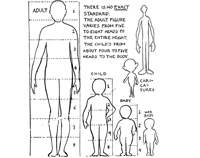
    We all know that a small child is not built to the same proportions as a grown man/woman – so in order for your drawing to accurately represent a human in all walks of life, you need to understand the ratios for those specific age groups.

    Drawing The Human Figure in Correct Proportions

    Drawing The Human Figure in Correct Proportions

    Drawing The Human Figure in Correct Proportions

    How to Draw a Human Figure. Proportions and Sketching

    How to Draw a Human Figure. Proportions and Sketching

    . Generally I prefer to break everything into parts instead of trying to ’swallow entirely everything’. But this time I’ve decided to make an a little experiment and explain you how to draw human figure generally at least with sketches. And to clarify questionable elements in next tutorials. And of course I’ll answer your questions if you have any.

    Human Proportions for Artists

    Human Proportions for Artists

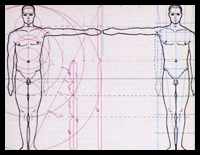
    Here are the human proportion marking points on a normal-twenty-year-old. The skull is the basic division of the human body which is eight heads high. The parting between the legs is one quarter head below the middle of the body.

    Learn To Draw People : A Quick Grasp on Basic Proportions and Structure

    Learn To Draw People : A Quick Grasp on Basic Proportions and Structure

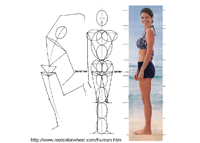
    As you learn to draw people, developing an understanding of overall body proportions and the geometrical shapes that make up the human body will help you achieve a convincing likeness. Also, you want to avoid some of the pitfalls beginners often stumble into so stay mindful of common mistakes and the poor habits that lead to them.

    Manga / Anime : Female Body Proportions Tutorial

    Manga / Anime : Female Body Proportions Tutorial

    The hardest part about drawing bodies is getting the proportions right. If you use the height of the head as a unit of measurement, the average human is about seven heads tall. The bottom of the torso is generally about half way up. Women usually have longer legs and smaller torsos than men (that is, if you compare a man a woman with the same length legs the guy will probably be taller). I'm sure I don't need to tell you that longer legs look more feminine.

    Proportions in Figure Drawing : Measuring the Model

    Proportions in Figure Drawing : Measuring the Model

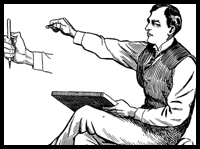
    Have you ever wondered what artists are actually doing when they peer at something over an outstretched pencil-top? Now you know: they are measuring up the model (or object). Ok, so a pencil-top is a pretty rough measure, but it is an immense help in getting down the proportions of your subject.

    Proportions : A Brief Overview of the Proportions of the Human Figure

    Proportions : A Brief Overview of the Proportions of the Human Figure

    The red lines in the drawing below indicate "heads". They show the height of the head of this particular model. Most people's figures follow simple rules when it comes to proportions—and using the height of the head is a really good way of seeing how everything lines up.

    Proportions and Muscles of the Human Body Form

    Proportions and Muscles of the Human Body Form

    As you may have remarked already, proportions is an important aspect in drawing. Without knowing proportions, drawing a real-looking figure is nearly impossible. I will first show the proportions of the average human, and then explain how the skeletal muscles work so that you may draw realistic figures.

    Standard Visual Human Body Proportions

    Standard Visual Human Body Proportions

    Some standards for measurement of the human body have been established by artists working with the figure. Heads are used instead of inches.

    The Basics – Proportions of the Human Body

    drawing people tutorials

    Proportion is what keeps your people realistic. You can measure proportion by using the head method. Realistically, 7 3/4 heads is used for the entire length of the body, as shown on the right. You can adjust this head count according to the style you are going for. Increase the number of heads if you are going for comic book superheroes with perfect bodies, or decrease it when you want to go for children and cute cartoon characters.

    Drawing Human Proportions : Tips to Help Ease the Stress of Sketching Humans - This article will help you draw and sketch human proportions with ease.

    Figure Drawing : Proportions of the Human Figure : Relative Proportions of the Body - A common problem in figure drawing is getting everything in proportion. While there are lots of sutbtle differences between individuals, human proportions fit within a fairly standard range, though artists have historically looked for idealised standards against which the rest of us don't always measure up! In figure drawing, the basic unit of measurement is the 'head', which is the distance from the top of the head to the chin

    Figure Drawing 101: Wacky Secrets of Proportion - Is There a Formula for Drawing the Human Figure?

    How to Use Proportion When Drawing People - Sometimes a drawing can capture the features and expression of a person perfectly but it still looks a little off. Most likely the proportions aren't right, even if the viewer can't figure out what's wrong. People come in all shapes and sizes, but some general rules apply. Using proportions correctly makes everything look right in a drawing.


    Privacy Policy .. Contact Us

    SheKnows.com Logo